
Interview Tips for future ICU Nurses
First, congratulations on deciding to enter the wonderful world of Critical Care. I am sure you are feeling a mix of emotions as you take this next step in your professional career. Now that you have decided to be an ICU Nurse, it is time to start applying for jobs and going through the interview process.
Let’s develop a game plan so you can get the job you want while making sure your future self is set up for ongoing success.
I have trained, coached, and interviewed many nurses coming to the ICU and from all different experience levels. I interviewed nurses from the perspectives of a charge nurse, nursing supervisor, staff nurse, and nurse educator. I have witnessed people both shine and bomb the interview process. Additionally, with over 15 years of experience, I have had my fair share of being on the other side of the table. Alright, enough yapping. Let’s get into it.
When should you start applying?
Student nurses:
You should start looking for potential jobs and applying to them before you graduate. A general guide is 3-4 months before the completion of your program. There are two periods when hospitals do most of their hiring for new graduate nurses: Spring and Fall. However, hospitals will continue hiring throughout the year, so don’t panic. Here are a few things to consider when thinking about which hospital you want to work at:
Shift Tip: If you have some of your clinicals at the facility you know you want to work at, take time to make connections. Consider touching base with someone from the unit leadership team or the unit educator. This can be a great way to start forming relationships.
- Is there an internship program you can start before being licensed? Some hospitals will have an internship/externship program. These programs are for nursing students who are not yet licensed. You either work the externship while in nursing school or during the gap from graduation to licensure. Every hospital is slightly different. Either way, it is a great way to get your foot in the door while minimizing the culture shock that can sometimes happen as a new grad (because real-life nursing is not like what you learn in school… we all know this). Externships allow you to work on specific skills, meaning you are one step ahead in the training process.
- Is there a nurse residency program? A nurse residency program is designed to bridge the gap between being a newly licensed RN and independently practicing as an ICU nurse. Every residency program is slightly different. However, they typically involve specific didactic classes, simulations, skill practice, and preceptorship related to critical care. I highly recommend applying to a hospital that has a dedicated residency program. I went through one myself, and it was one of the best things I could have done to lay the foundations as a new ICU nurse. Plus, you are usually with a cohort of individuals, which can help because you are with people who “get it.” Some residency programs will have you sign a contract to work with them for a specific time and/or give a sign-on bonus.
Experienced nurses wanting to transition into ICU:
I hear experienced nurses say they “don’t feel ready” to take the next step and apply to ICU. Honestly, a lot of that is imposter syndrome. ICU nursing is an entirely different ballgame. Some of the basic skills you have learned will help you. Use this as an advantage during the interview process.
You have an interview date…now what?
The best way to relieve some of your nerves is to be prepared. That is exactly what we are going to do below:
What to wear:
It is best to show up in business casual. I suggest overdressing rather than underdressing. Wear neutral colors and look professional. Your appearance will shape someone’s first impression of you. Dress like you are serious about wanting this job. Show up 15 minutes before your interview, and walk in with confidence.
The interview process:
There are a few different ways a hospital will perform an interview. Many of them will have a “peer interview” and a formal leadership interview. The peer interview will be conducted by nurses who work on the unit. They may have scripted questions called “Behavioral Based Interview Questions” These questions serve the purpose of seeing how you respond in certain situations. The leadership interview will be conducted by a someone from the leadership team.
There are standard questions that always seem to be asked during the interview process. Review them, and physically practice responding to them before the interview. Use the interview to highlight your strengths and show ways you are actively engaged in your improvements (read: how are you fixing these “weaknesses”?) Some common questions include:
General questions:
- Tell me about yourself.
- Why did you want to become a nurse?
- Why did you want to work in this unit/specialty?
- What are your professional goals?
- Where do you see yourself in five years?
- What are your strengths?
- What are your weaknesses?
- Do you have a preferred shift you’d like to work?
Shift Tip: Have you used my resources or The Critical Care Masterclass to get ahead? Talk about it! This shows you are engaged and willing to put in the effort to be successful.
Behavioral-based questions:
- Tell me about a time when a patient or customer was unhappy with your work. How you handled it. (Looking to see how you resolve conflict)
- Describe a time when you had to work with a difficult patient, customer, or coworker. How did you handle the situation?
- Tell me about a time when you had multiple tasks needing to be completed. (Looking to see how you prioritize tasks)
- Give an example of a time when you had to work as a team to achieve a goal.
- Describe a time when you had to adjust your plan quickly.
- Describe a time when you had to work under pressure.
- Tell me about a time when you failed or made a mistake. How did you handle this situation?
Shift Tip: Behavioral-based questions gauge your teamwork, adaptability, time management, prioritization, communication style, and overall patient care.
A two-way street: Come prepared with questions to ask!
You need to be prepared to ask them some questions too. This is going to help you decide if this is a good fit FOR YOU. Find out how they train new staff members, retain staff, and support staff in their ongoing professional development. Some of these questions may be better suited for the peer interview, and some are better to ask unit leaders. You can find out some pretty significant red flags based on the answers you receive.
- What is the standard length of time for orientation? What if I need more time?
- What is the structure for orientation (Classes then preceptorship? Only preceptorship? Blended?)
- What is the experience level of preceptors?
- What if my preceptor and I do not get along?
- How is my success measured?
- Is there ongoing educational opportunities for professional growth after orientation?
- What is the typical nurse:patient ratio? Are ratios ever stretched?
- What is the turnover like?
- Is there anything in place to retain nurses who are here?
- What are some of the challenges this unit faces?
- Do we float to other units? Is there a grace period for new staff members?
Don’t forget to thank the interviewers for their time, and ask when you should expect to hear from them or what the next steps might be. Try not to overthink the interview once you have left.
I got accepted!
Congratulations! This is when the hard work sets in. I am a firm believer that you get what you put in. Remember to put the work in, be easy on yourself, don’t compare yourself to other experienced nurses, and take it day by day.
What if I am declined?
If you can, ask the recruiter if there was any feedback from the leader as to why you were declined. This can be helpful for the next time you apply and interview somewhere. Do not let this hold you back from applying to other critical care or ICU positions; it does not define you or your ability to be successful. Perhaps your path is just different than your vision, and that is okay. The important part is to keep putting one foot in front of the other. Feel whatever feelings you need to, then take the next step in the direction you want to go.
The bolus dose:
Being prepared for your interview is the best way to have a successful interview. Take some time to learn about the organization, know how to answer questions, and come up with questions to ask them. Walk in with confidence and remember that you got this. Regardless of the outcome, keep moving forward and putting one step before the other.
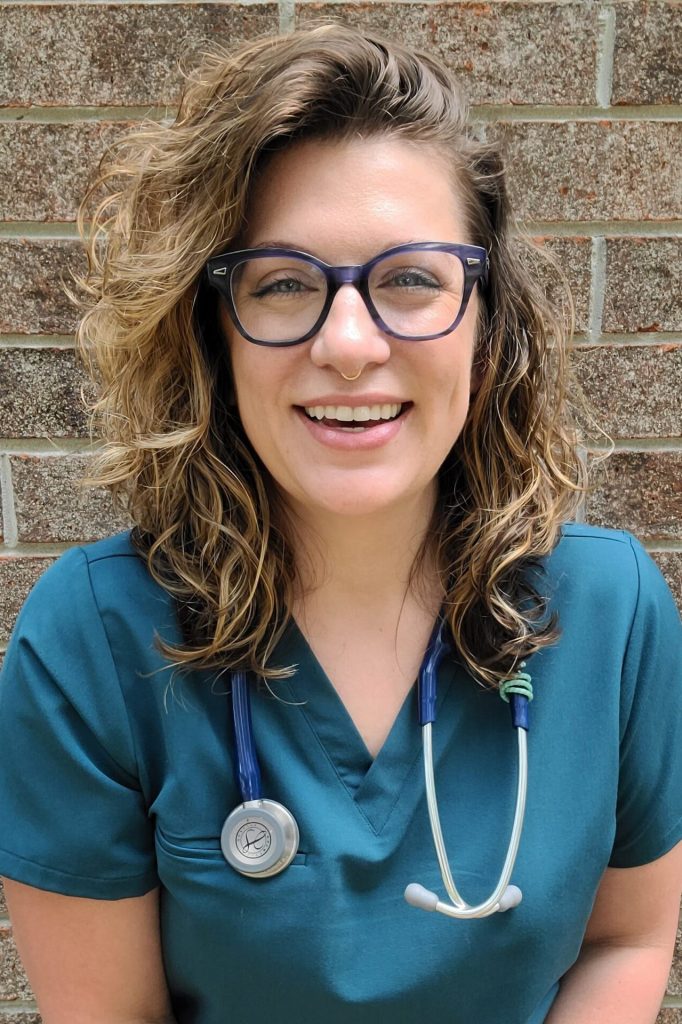
More details about the author…
- Founder of The Critical Care Masterclass
- Published writer
- Keynote speaker on various Critical Care topics
- Critical Care Consultant
- Trained and mentored hundreds of New Grad Nurses and countless experienced ICU nurses.
- Assisted with opening up a NSICU in 2021
- Developed a structured program for new CVICU RNs
- Lead in developing a Nurse Residency program for Critical Care
- Professionally Trained Coach
- Playing Big Facilitator Alum Coach
- CCRN & TCAR Certified